Katie Zacharia Ousted as White House Press Secretary After 5 Days as New President Spokesperson: All Details, Controversies, Reactions
One of the shortest ever White House press secretary tenures abruptly came to end when Katie Zacharia was fired on her fifth day in mid October 2026. The quick departure of Trump’s newest spokesperson has generated a flurry of media attention, exposed internal White House problems, and raised questions about the selection process ahead of the midterm elections.
The article details the chronology of events, the controversies surrounding the new spokesperson, reactions from the White House and Zacharia herself, and the implications of this affair.
Who is Katie Zacharia?
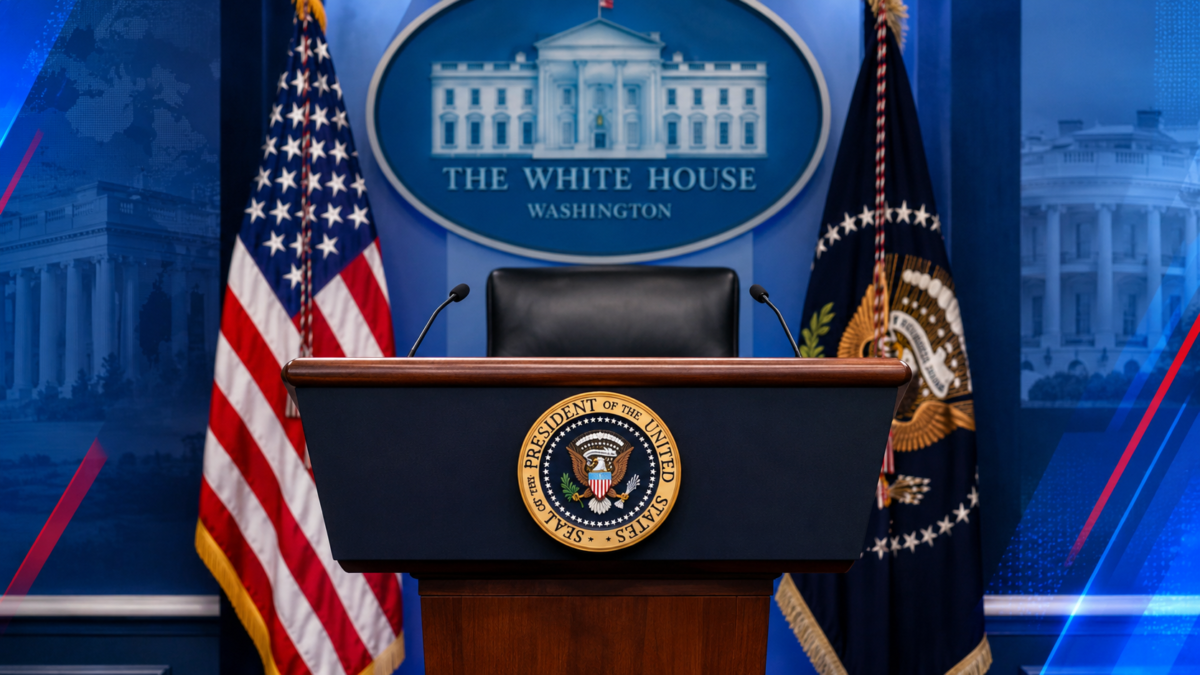
Relative unknown conservative commentator Katie Zacharia caught President Trump’s eye, and the White House announced her as the successor to his previous press secretary Karoline Leavitt at the beginning of October 2026. She began the job on the weekend of October 12-13, and gave her first (and only) press briefing on Tuesday, October 14.
Zacharia graduated from Pepperdine Law School but never passed the bar exam (she sat once in 2011 and failed). This became one of the focal points of the controversy after Trump and others incorrectly referred to her as an “attorney” or lawyer.
Timeline of the Five-Day Tenure
Early October 2026: Zacharia receives a call about the job (reportedly on the October 7) and accepts the position. On Tuesday, October 14, she conducts her inaugural press briefing in the White House. It lasts only about 14 minutes: she reads much of it off a prepared script, makes some speech errors, gives several news briefings and then ends it after responding to just a few questions. Initially, the White House praised the briefing as “commanding” but there was an overwhelming amount of criticism in the press.
During the week: There was a lot of speculation about her performance and resume. In response to questions, including in an interview with Fox News, she admitted that she failed the bar exam and that she did not receive briefing notes until later. She said that a university administrator once told her she could call herself a “lawyer” but not an “attorney”. On Thursday, October 15 – Friday, October 16, there is greater criticism of her work performance and qualifications. The media speculated about how long she would hold the post. Administration officials expressed doubt about her ability to continue to occupy the press secretary post.
On Friday, October 16: While speaking to reporters on the South Lawn, President Trump announced her impending departure. He related that he told her “Honestly, if I were you, I’d reconsider. Look, Katie, do you need this? I don’t think you need this.” The job, he said, was “difficult” and she had been “treated very roughly” and “nastily” by the media. Shortly thereafter, several White House officials confirmed that she was “transitioning out” or had been discharged. In a social media post, she said it was “an honor” to serve at the White House, calling Trump “kind, wonderful, gracious,” and that no one will make America great the way he has.
This marks one of the shortest White House press secretary tenures in recent memory.
The Main Controversies
There were two main controversies: the press briefing and qualification as an attorney.
The Press Briefing — Zacharia’s debut briefing in the White House came across as incompetent and unprepared. Reading extensively from notes and stopping the session abruptly fueled many speculations that she was not ready for the demands of the post and for holding daily briefings for the White House press corps.
Qualifications — Trump and others in the press briefing mistakenly referred to her as an attorney. When pressed, she admitted that she did not pass the bar exam and therefore was not qualified to practice law in the United States. This triggered accusations of misrepresentation, despite her insistence that she had a strong academic background in law and experience in the field.
There were also other factors, including lack of preparation and media exposure around this highly charged post-inauguration period.
Reactions from the White House and the Press
President Trump responded sympathetically to her exit in public comments, saying that she faced a hostile press and this job was “difficult” and “not for everybody.” In private, he apparently complained about her performance on camera. Administration officials said she was not fully integrated into the decision-making process during her brief tenure.
Her exit statements were generally positive about the experience, although she called the president “kind, wonderful, and gracious.” The press coverage ( New York Times, The Guardian, CBS, Reuters, etc.) has presented this affair as an embarrassing episode and a rare public Trump condemnation. It comes at a crucial time for the administration, with the midterms approaching in 2026, when the president needs to project strength and control.
There are also questions about her future in the Trump orbit (the president suggested she might stay “in some form, but maybe a more pleasant form”) and who her successor would be as press secretary.
The Larger Implications
This incident reflects the precarious position of the Trump White House in trying to find reliable personnel who can withstand withering public criticism. It also demonstrates the difficulties of any new White House press secretary in this very challenging post. For President Trump and his people, this development adds to the list of potential headaches as the administration struggles to prepare for the 2026 congressional elections.
As of October 17-18, 2026, there has been no official announcement about a successor, and the press has turned its attention to other issues, including the foreign and domestic policy.
Key takeaways for readers interested in the U.S. political affairs: The story of Katie Zacharia and her abrupt departure from the post of White House press secretary is yet another example of the short-lived careers of Trump’s spokespersons. This, along with other similar episodes, may contribute to growing concerns about the stability and effectiveness of the Trump administration in managing its public affairs.
For more information on this developing story, readers are encouraged to follow the latest updates from the White House and trusted news outlets, as the situation can change rapidly. This analysis draws upon reports from The New York Times, The Guardian, CBS, Reuters, USA Today, BBC, and other reputable news organizations.