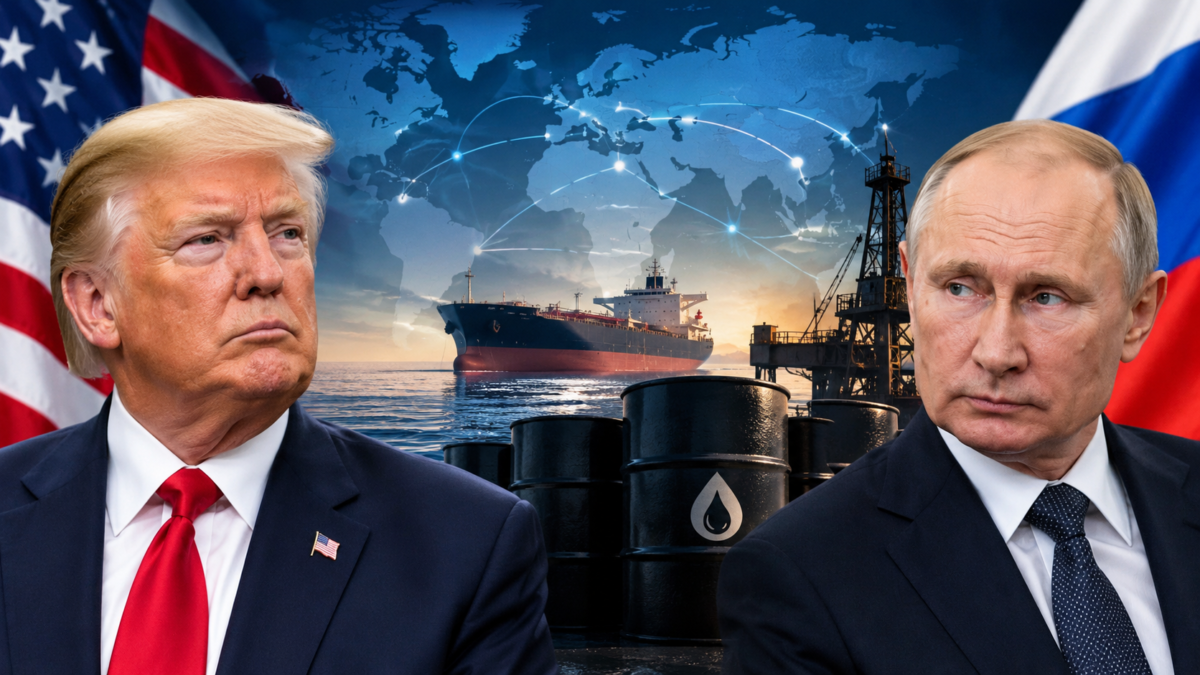
President Donald Trump has waived major tariffs and sanctions targeting Russia and countries that purchase Russian energy, suspending key provisions of a newly enacted U.S. law just days before the measures were scheduled to take effect. The decision, announced on October 16, 2026, has sparked criticism from supporters of Ukraine and renewed debate over Washington’s approach to Russia, global energy prices, and international trade.
The waiver covers provisions of the Lindsey O. Graham Sanctioning Russia and Iran Act of 2026, which Trump signed into law in September. The legislation was designed to increase economic pressure on Moscow over its war against Ukraine and give Washington additional leverage over countries continuing to buy Russian oil and natural gas.
Trump said the decision was in the national interest of the United States. However, critics argue that suspending the measures could weaken efforts to restrict Russia’s energy revenues and undermine pressure on Russian President Vladimir Putin.
What Tariffs Did Trump Waive?
The new law authorized substantial tariffs and additional sanctions targeting Russia and certain foreign entities involved in Russian energy trade.
Under the legislation, tariffs of up to 500% could apply to Russian goods imported into the United States, subject to statutory exceptions. It also provided for tariffs of up to 100% on goods from the five largest importers of Russian crude oil and natural gas if they knowingly made qualifying new purchases after October 18, 2026.
The law included additional restrictions and penalties intended to discourage countries and businesses from supporting Russia’s energy exports or helping Moscow evade sanctions.
Trump’s October 16 executive order waived several provisions of the legislation, including the specified tariff measures and a number of sanctions and restrictions.
The order states that the waivers will remain in place until the president or designated administration officials determine that further action is appropriate.
Importantly, the decision does not automatically eliminate all existing U.S. sanctions against Russia. Measures imposed under separate executive orders and other authorities remain distinct from the provisions waived under the new law.
Why Did Trump Suspend the Russia-Related Tariffs?
Trump justified the decision on national-interest grounds, but the move comes amid growing concerns about energy prices and the economic consequences of additional trade restrictions.
The administration faces pressure to manage fuel costs as geopolitical conflicts disrupt energy markets. Higher oil and gas prices can increase transportation expenses, raise production costs for businesses, and put additional pressure on household budgets.
Imposing steep tariffs on major buyers of Russian energy could also complicate Washington’s relationships with countries that depend on those supplies.
China and India are among the largest purchasers of Russian oil. Both countries have expressed concerns about U.S. measures that could penalize their energy trade with Moscow.
The potential economic consequences therefore extend beyond Russia. New tariffs could affect trade relationships, international supply chains, and the cost of energy-related goods.
The waiver gives the administration additional flexibility while it evaluates the economic and diplomatic implications of enforcing the law.
India and China Could Benefit From the Decision
India and China are central to the debate over restrictions on Russian energy exports because of their significant roles in global oil markets.
India has continued to rely on Russian crude as part of its energy supply strategy, while China remains a major buyer of Russian energy. Both countries have sought to protect their economic interests amid pressure from Washington to limit transactions that support Moscow.
The threatened tariffs could have exposed exporters in these countries to substantial additional costs if the relevant statutory conditions were met.
By waiving the applicable provisions before they took effect, Trump has temporarily reduced that immediate risk.
For India, the decision could help preserve flexibility in sourcing crude oil while limiting the threat of additional U.S. trade penalties. For China, it removes the immediate prospect of certain new tariffs under the waived provisions.
However, the decision should not be interpreted as a permanent exemption from future U.S. measures. The administration retains authority to reconsider its position, and other trade restrictions or sanctions may continue to apply.
Ukraine Criticizes Trump’s Decision
The waiver has generated criticism from Ukrainian officials and U.S. lawmakers who believe economic pressure remains essential to limiting Russia’s ability to sustain its war against Ukraine.
Ukrainian President Volodymyr Zelensky criticized the move, arguing that easing the restrictions benefits Moscow and weakens efforts to deter further Russian aggression.
Supporters of the sanctions legislation contend that restricting Russia’s energy revenues can limit the resources available to finance its military operations.
The decision has also prompted criticism in Washington. Some lawmakers argue that suspending the measures undermines the purpose of legislation intended to increase pressure on the Kremlin.
The disagreement highlights a broader foreign-policy debate: whether economic flexibility can help the United States manage energy costs and pursue diplomatic objectives, or whether easing restrictions risks reducing Washington’s leverage over Russia.
What the Waiver Means for Global Energy Markets
The decision could influence expectations in global oil markets, although it does not guarantee lower prices at fuel stations or an immediate increase in Russian energy exports.
Oil prices are shaped by several factors, including global demand, production decisions, shipping costs, inventories, sanctions, and geopolitical risks.
Avoiding additional trade penalties for major Russian oil buyers may reduce uncertainty for some market participants. It could also make it easier for affected countries to maintain existing energy arrangements.
However, the actual effect on prices will depend on supply conditions and how governments, refiners, traders, and energy companies respond.
Consumers may benefit if the broader policy environment contributes to lower energy costs, but there is no guarantee that the waiver alone will produce such an outcome.
For businesses, the decision underscores the importance of monitoring changes in sanctions policy, trade restrictions, and energy procurement costs.
What Happens Next?
The immediate focus will be on how the Trump administration implements the waiver and whether it introduces further measures after reviewing the economic and geopolitical consequences.
The executive order allows the administration to reconsider the suspended provisions when it determines that further action is appropriate. Officials are also directed to monitor countries’ purchases of Russian energy and relevant efforts to evade sanctions.
Any future enforcement decisions could affect international trade, U.S. relations with major energy-importing countries, and the economic pressure applied to Russia.
The policy also raises questions about the balance between executive discretion and congressional efforts to establish a tougher sanctions framework.
For Ukraine and its supporters, the central concern is whether the United States will maintain sufficient economic pressure on Moscow. For countries that purchase Russian energy, the priority is avoiding sudden trade penalties that could disrupt supply arrangements and increase costs.
The Bottom Line
President Trump’s decision to waive major Russia-related tariffs and sanctions marks a significant change in the implementation of a law designed to increase pressure on Moscow.
The move provides temporary relief from specified penalties for countries and entities covered by the waiver, including measures aimed at major buyers of Russian oil and natural gas. It also gives the administration more flexibility as it weighs energy costs, diplomatic relationships, and national-security priorities.
The longer-term consequences remain uncertain. Future decisions on sanctions enforcement could shape global energy trade, U.S. relations with India and China, and the international response to Russia’s war against Ukraine.
For now, the waiver illustrates the difficult balance between economic interests, energy security, and geopolitical pressure in U.S. foreign policy.
Trump Cancels Mass Tariffs Related to Russia Energy Imports Before Taking Effect
President Donald Trump has canceled significant tariffs and sanctions against Russia and nations buying Russian energy, days before they were set to take effect. The move has angered Ukraine supporters and reignited the debate about the American policy toward Russia, energy prices, and the global economy.
The provisions of the new law, which Trump waived, relate to increasing pressure on Russia for its special military operation in Ukraine and additional measures against countries buying Russian oil and gas.
President Trump stated that the move benefited the United States. Critics, however, believe that Trump has undermined the efforts to impose a trade embargo on Russia.
What Did Trump Cancel?
The new law allowed Trump to impose significant tariffs and additional sanctions against Russia. It states that tariffs of up to 500% could be imposed on Russian goods imported into the US, with some exceptions.
It also allows the imposition of tariffs of up to 100% on crude oil and natural gas imports from the five largest purchasers of Russian energy, in case of «new purchases» of «qualifying energy». This provision applied from October 18, 2026, which is several days from now.
In addition, the law provides for other sanctions and restrictions on persons facilitating Russia’s «energy exports» and «evading sanctions».
Trump’s order waived sanctions and restrictions imposed by the new law, including tariffs of up to 500% and 100% on Russian energy imports and several sanctions measures. It also stated that the waived sanctions will remain in force until the President or his subordinate official believes otherwise.
It is important to note that the actions of Trump do not cancel all sanctions measures against Russia. Economic restrictions imposed by executive order of Trump and other acts remain in force.
What Were the Reasons behind Trump’s Waiver?
Besides the political reasons behind Trump’s decision, the main argument is related to energy prices. The Trump administration has been under pressure to control energy prices, which are a burden to the economy.
Prices at the pumps affect the population and the economy, causing the latter to experience challenges with costs related to transportation. Consequently, this also negatively impacts the population.
In addition, imposing tariffs on energy importers will strain the economies of countries purchasing Russian energy.
Among the largest buyers of Russian oil are China and India, who have raised objections to Trump’s measures. Thus, Trump’s waiver alleviates some of the pressure on the Trump administration in terms of energy prices and relations with energy-importing countries such as China and India. In addition, the decision gives the administration more options for negotiating with Moscow, while maintaining economic pressure on it.
India and China Will Benefit From Trump’s Decision
India and China are key players in the conflict between Russia and Ukraine. In particular, they are major buyers of Russian oil. They are also countries that the US administration has pressured to stop buying Russian oil. In addition, they have suffered from the threats of sanctions.
Thus, the tariffs, which could have been imposed on these countries, were a serious threat. After Trump’s decision, these nations gained more opportunities in the short term to avoid additional costs and liabilities associated with purchasing Russian oil.
However, it is important to note that this does not mean that these countries will never be subject to sanctions. For the time being, however, they have been granted a reprieve.
Ukraine Condemned Trump’s Decision
It is no surprise that Trump’s decision was strongly condemned by Ukraine and its supporters in the United States. They cannot understand why the President continues to pursue a policy of economic support for Russia, thus allowing it to fund its war with Ukraine.
Zelensky criticized Trump’s decision, arguing that it facilitates Russia’s efforts to finance the war. Proponents of sanctions argue that they can deprive Russia of some of its resources to wage war.
However, in addition to these arguments, Trump’s decision did not sit well with many in Washington. They believe that the waiver weakened the law and that its provisions were designed to increase pressure on Russia.
What Does It Mean For Energy Prices?
In the short term, Trump’s decision may have a positive impact on energy prices. However, it is worth noting that there are many forces that influence them. First of all, it is the supply and demand for oil and gas, which is influenced by geopolitical events, such as the conflict in Ukraine.
In addition, prices are also affected by inventories, freight rates, and a number of other factors. Thus, despite the Trump waiver, oil prices are unlikely to drop significantly in the near future.
While it is true that the removal of Section 1013 will alleviate some pressure on major Russian energy buyers, this is not a complete removal of sanctions. Therefore, energy prices are unlikely to fall in response to this decision.
As for the impact on the population, businesses, and the economy, it is difficult to say with confidence. On the one hand, Trump’s decision creates conditions for lower energy prices. However, there are too many factors that affect them. On the other hand, the decision may have a positive impact on the relationship between the US and India and China, as well as the global economy. It is important to remember that the Trump administration will continue to operate within the framework of existing sanctions.
What Will Happen Next?
After Trump’s decision, the key question is what the administration will do next. It is necessary to analyze the decisions made, study their impact on the economy and geopolitics.
The executive order provides for the opportunity for the President to rescind the waivers in the future. It also notes that the President will examine whether other countries are purchasing Russian energy and taking measures to evade sanctions.
Thus, the next step for the administration may be to introduce new restrictive measures against Russia in the near future.
The new law passed by Congress creates conditions for increasing economic pressure on Russia. This gives the Trump administration ample opportunities to impose new sanctions in the future. The conflict between Ukraine and Russia continues, and the Trump administration has taken steps to reduce economic pressure on the US economy.
While the Trump administration lifts some of the sanctions, it will continue to hold Russia accountable through other means. The Trump administration is expected to provide analysis and recommendations on imposing sanctions on Russia and related matters.
For Ukraine, this decision is a serious challenge, as it narrows the options for imposing economic pressure on Russia, which is at war with Ukraine. For the economies of India and China importing Russian oil, this is an opportunity to avoid additional sanctions costs.