
Why Are Stock Futures Lower Today?
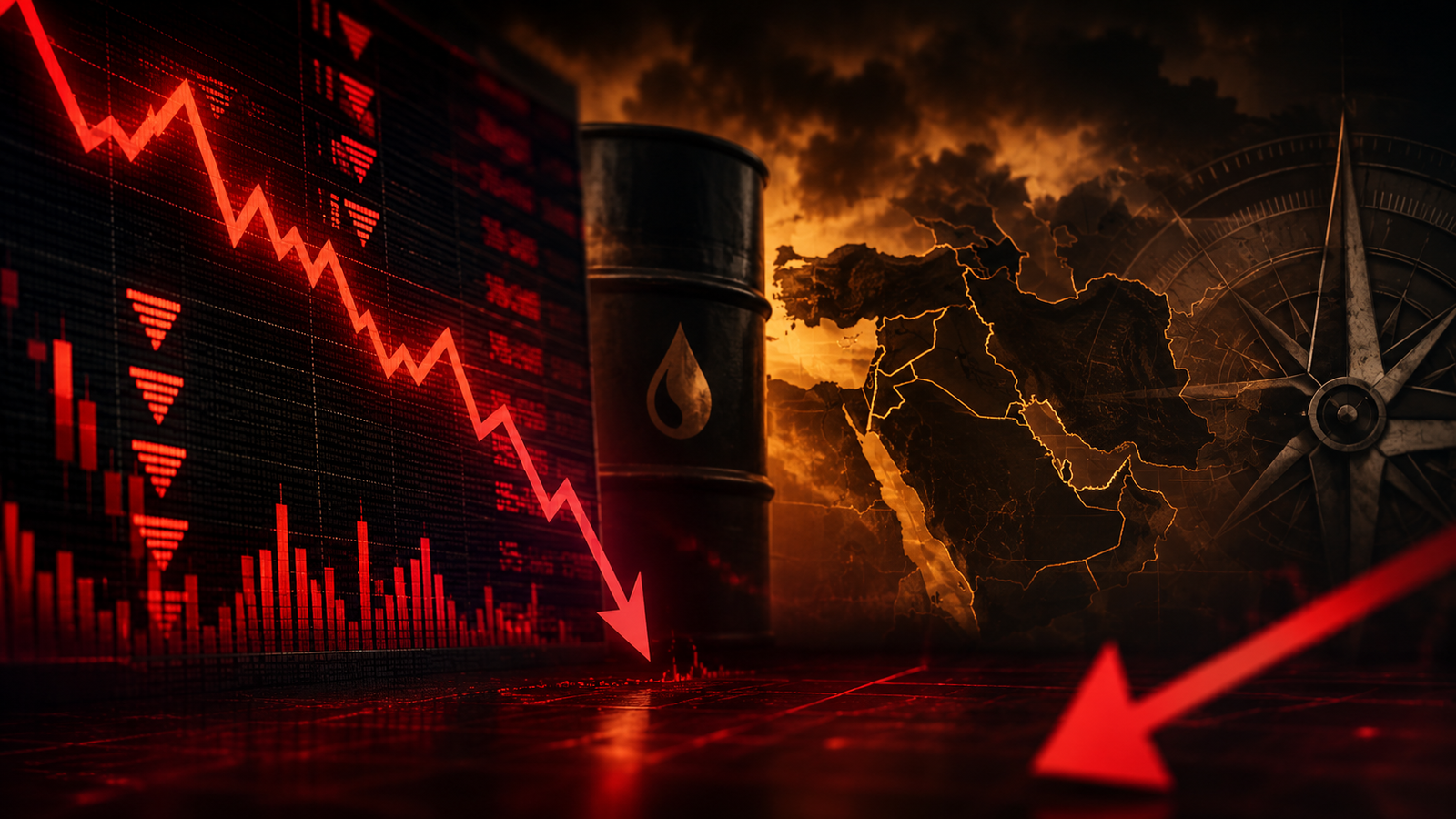
The Iran tensions stock market impact became clear on Tuesday as US stock futures sold off after fears of a military conflict with Iran sent oil prices higher, reigniting inflation worries. Futures on the Dow Jones Industrial Average dropped 0.2%, while those on the S&P 500 fell 0.5%. Contracts on the Nasdaq-100 sank 1.3%, with all three major indices dropping on the week after a poor start to the trading day. Technology stocks led the equity markets lower after yields on long-dated bonds hit another multi-decade peak and oil prices climbed higher, with investors growing increasingly wary of the economic impact of geopolitical tensions. The S&P 500 was set to post its third consecutive day of losses after index futures fell nearly 0.5% on the day.
How Tensions With Iran Are Driving Higher Oil Prices And Inflation Fears
The link between oil prices and the equity markets is why many investors are worried about the impact of escalating hostilities in the Middle East.
An Iranian official toldReuters that Iran would change its defensive posture if diplomatic efforts with the US failed, saying that it would begin using the Strait of Hormuz – through which 20% of the world’s oil passes – and the broader Middle East as a battleground. With crude prices already jumping higher on the news, the prospect of additional geopolitical hostilities will only add to inflationary pressures, which will in turn put additional pressure on the Federal Reserve to begin lowering its policy rate. US oil prices jumped higher on the headline, with prices near $83 per barrel, while Brent crude futures for October delivery rose 0.76% to $89.19 a barrel. On Tuesday, US crude prices climbed above $85 a barrel after fears of further hostilities in the Middle East persisted throughout the day.
Bond Yields Are Also Pressing On Equity Markets
Higher-for-longer interest rates are also weighing on stock prices.
The US 30-year Treasury yield climbed to 5.327% on Tuesday, the highest level in nearly two decades, while the 10-year yield climbed to 5.19%. Demand from investors for higher compensation for locking up capital in long-dated debt was at a premium after the issuance of bonds with heavy spending on artificial intelligence continued to weigh on the markets. Meanwhile, investors who expected higher inflation reduced their exposure to growth stocks, particularly in the tech sector. 30-year bond yields climbed higher around the world on Tuesday, with yields on Treasuries climbing two basis points to 5.32%, the highest level since 2007. Higher interest rates tend to hit growth stocks the hardest, and this is evident in the relative performance of the Nasdaq-100, which significantly lagged the Dow and S&P 500 on Tuesday.
What’s The Overall Picture For Now?
Despite weakness on Tuesday, the broader market remains bullish on fundamentals, with the bulls focusing on the likelihood that the Federal Reserve will be forced to pause its tightening cycle soon.
The S&P 500 dropped 0.52% to 7,745 after weak performance on Tuesday, but the overall trend remained bullish after the bulls noted that rates were far more likely to stay on hold than to rise, at least for now. Gold prices climbed higher as the value of the dollar remained relatively stable, with spot gold increasing 0.51% to $4,398 per ounce and the dollar index falling 0.11% to 99.561. This reflects the market’s risk-off environment, in which investors have been rotating into the safety of gold as they watch tensions with Iran unfold. Gold prices climbed higher as investors took some profits off the table after the recent rally, but gold remains one of the best performers of the year.
What’s Next For Equity Markets?
Now that major retailers such as Walmart, Home Depot and Target report their latest results for the week, markets face the prospect of both tightening geopolitical tensions and renewed fears about the health of the economy. If the standoff in the Strait of Hormuz were to spark a sharp increase in oil prices, the impact on inflation would be severe. The combination of increased geopolitical risks and renewed concerns about the health of the economy could send stock prices lower in coming days.

