
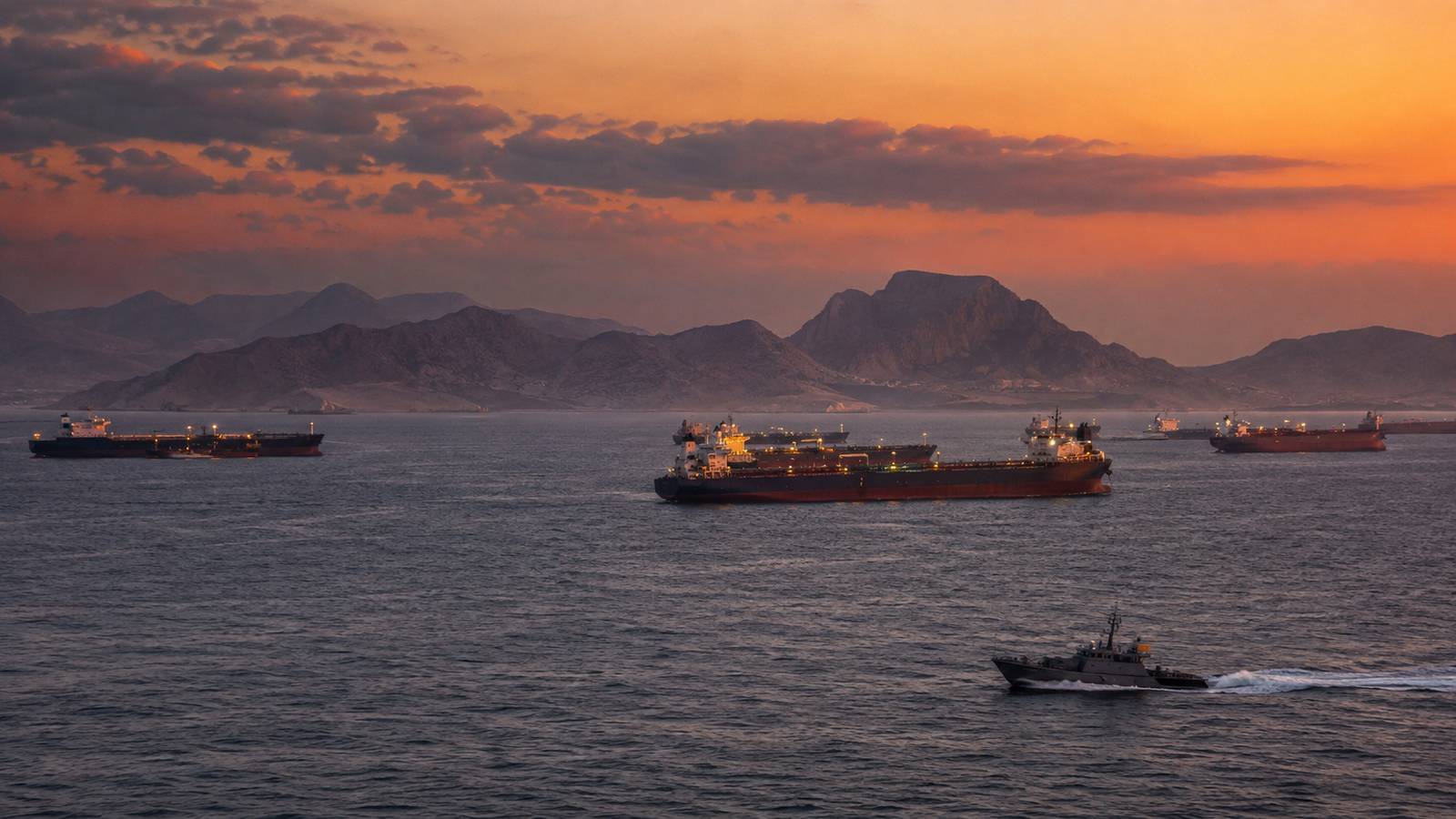
Iran Holds Firm on Strait of Hormuz Closure
Iran has stated it will keep the Strait of Hormuz, one of the world’s most important oil shipping lanes, closed until the United States meets a long set of conditions. Iran’s foreign ministry spokesperson said on Monday that Iran will not open up the strait until the United States lifts what they call “illegal and destructive” actions against Iran, namely the blockade of Iranian ports by American naval forces. Global NewsGlobal News
This comes as talks between Iran and a neighboring nation on an alternate maritime route have neared completion, leading to speculation that the blockade may be coming to an end. However, that may not be the case.
Oman Talks Advance, But Don’t Mean Reopening
Iran’s foreign minister confirmed on Monday that negotiations with Oman on an alternate maritime shipping route had reached their final stages. Despite this, Iranian officials have made it clear that the talks with Oman are separate from the larger issue of the Strait of Hormuz being closed to American shipping traffic. The Epoch Times
Araghchi clarified that while the talks with Oman on an alternate route were taking place, they did not signify an end to the closure of the Strait of Hormuz. Experts believe that the Oman talks could provide a pathway to a larger agreement between Iran and the U.S. on the issue of the strait, but they are not an agreement in and of themselves. NBC NewsNBC News
Oman, which has served as a mediator between the U.S. and Iran on the issue of the Strait of Hormuz, appears to be seeking a narrower solution to the larger dispute while the bigger issue between the U.S. and Iran remains unresolved.
The Six Demands Iran Is Making of Washington
At the heart of the larger dispute between Iran and the U.S. is a formal set of demands that Iran has issued to the U.S. regarding what conditions must be met before the Strait of Hormuz will be opened back up to naval traffic. Iran’s secretary of the Supreme National Security Council, Mohammad Baqer Zolqadr, released a statement over the weekend outlining six demands that the U.S. would have to meet before Iran would allow free passage through the Strait of Hormuz. Time
According to multiple outlets, the demands include:
An end to the war and attacks on Iran and its allies
Lifting the blockade of Iranian ports by the U.S. navy
The withdrawal of American military forces from the region
Lifting economic sanctions against Iran
Releasing Iranian assets that have been frozen
Paying Iran for damages incurred during the conflict
Zolqadr stated that the demands also include a warning to the U.S. not to make any further threats against Iran. Significantly, these demands appear to be largely in line with a peace agreement that was published in June, with the notable exception of the $300 billion reconstruction fund for Iran. The Epoch TimesFrance 24
Iran’s Revolutionary Guards Escalate the Rhetoric
Beyond the diplomatic posturing, Iran’s Revolutionary Guards have made it clear that they are not looking to compromise on the issue of the Strait of Hormuz. The Guards have stated that the Strait of Hormuz will remain closed until the U.S. meets all of Iran’s demands, including compensation for damages incurred during the conflict. France 24
Officials in the Revolutionary Guards have stated that they will keep the blockade in place until the U.S. accepts all of Iran’s demands, calling the Strait of Hormuz a “battlefield.” This appears to suggest that Iran is willing to turn the Strait of Hormuz into another front in the larger conflict with the U.S. France 24
In addition to demanding that the Strait of Hormuz remain closed to U.S. shipping traffic, Iran has also made it clear that it intends to keep a permanent presence in the waterway even after the war has ended, including the ability to levy tolls on ships that pass through the Strait. In addition, Iran has repeatedly fired upon vessels that have attempted to use an alternate route to circumvent the blockade. France 24
Washington’s Response: “Low-Keying It”
The Trump administration has so far refused to respond directly to Iran’s demands, but President Trump did release a statement over the weekend addressing the larger issue. Trump stated that the U.S. was “low-keying it” with Iran, noting that the current approach was only “semi-negotiating” with the Islamic Republic. Time
Trump noted that Iran was currently in a weakened position due to its economic issues, including rampant inflation and the loss of financial assets due to the economic blockade by the U.S. This may suggest that Trump is looking to exploit Iran’s economic issues as leverage to force a resolution to the larger dispute. Time
Why the Strait of Hormuz Standoff Matters Globally
The dispute over the Strait of Hormuz is not merely a regional issue, as the waterway is a critical shipping route for global oil supplies. The Strait of Hormuz is responsible for carrying approximately one-fifth of the world’s oil supplies, and the closure of the waterway has become the lasting legacy of the larger conflict between Iran and the U.S. Global News
The dispute has become a focal point in the U.S. political landscape with the November midterm elections approaching, as it has served to drive up energy prices. Disputes over the Strait of Hormuz have the potential to impact not only the energy markets but also shipping and insurance costs well beyond the Middle East. Global News
Wider Regional Tensions Continue
The larger regional security situation in the Middle East remains tense, with Yemen’s Defense Ministry reporting an attack by Houthi rebels on the Red Sea port of Mokha that has resulted in several casualties. In addition, Israel’s military has placed a Christian-majority town in the occupied West Bank under military control after days of assaults by Jewish settlers. These developments add to the regional tensions that have been exacerbated by the larger dispute over the Strait of Hormuz. Washington Times
What Happens Next
At this point, it appears that neither the U.S. nor Iran is willing to concede on the larger dispute over the Strait of Hormuz. Iran appears to be content to exploit its leverage over the U.S. by prolonging the blockade while it pursues narrower agreements with Oman on alternate shipping routes. The U.S. appears to be willing to wait for Iran’s economic situation to deteriorate further before engaging in direct negotiations with Iran.
Whether the talks between Iran and Oman on an alternate shipping route can serve as a pathway to a larger agreement between the U.S. and Iran on the Strait of Hormuz remains to be seen. In the meantime, the world can expect continued volatility on the energy markets as well as the wider diplomatic relationship between the U.S. and Iran.

