
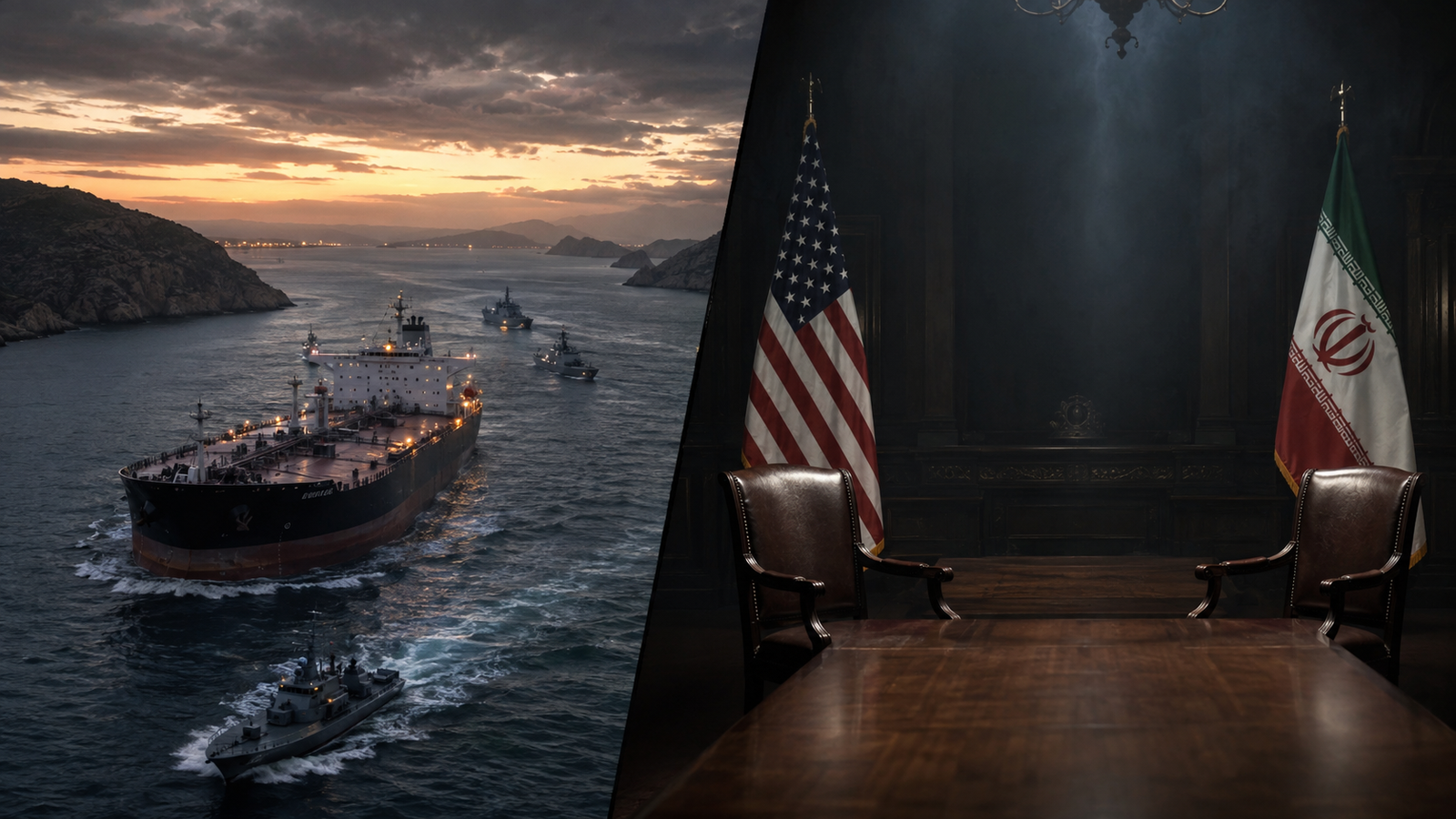
Iran denies Trump talks are taking place, contradicting the US president’s claim that negotiations with Tehran would resume Monday. The dispute comes as both countries continue to ease off the brink of a major escalation in a war that has now stretched past five and a half months
Trump Announces Talks, Tehran Pushes Back
A pattern of diplomatic one-upmanship has resumed this week in the US-Iran conflict, which has raged for five and a half months. President Trump declared on Air Force One that a new round of negotiations with Iran would resume on Monday afternoon, after he had decided to put off a new attack. Within hours, Iranian authorities were contradicting the president, saying no talks were scheduled to take place
Foreign ministry spokesperson Esmaeil Baghaei told reporters in Tehran that “there are currently no negotiations with America and no plans to host or send delegations in the coming days” . This came days after Mr Trump himself had been engaged in a similar back-and-forth with Iranian officials over whether talks had, in fact, taken place at all.
A War Now Six Months Old
The war between the US and Iran began on February 28, when the US and Israel launched an attack on Iran without warning , and has seen intermittent bursts of fighting and negotiations since then. This pattern has repeated itself several times since the war began, as both sides have at various points tried to revive diplomatic channels at the moment tensions seemed likely to erupt into open war.
Last week, President Trump had warned of attacking Iran “very hard,” and it was reported that the administration was considering additional attacks that would target Iran’s energy infrastructure. The attacks would have potentially crippled Iran’s economy, but President Trump suggested in an interview on NBC that he had already considered one even bigger: “The deal he (President Netanyahu) wants I think, is very close. It’s already in place. The perimeters are there.
And it is truly unprecedented in the history of mankind
, and it’s bigger than anything that happened since World War II
, since the Holocaust.” This statement came after the president suggested over the weekend that he had paused fighting because “the perimeters of a deal are there,” which led to his announcement on Monday that talks would resume on Monday.
Why Iran Is Pushing Back on the Narrative
Iran’s push back on President Trump’s statements about negotiations is not coming out of thin air, because Iranian Parliament Speaker Mohammad Bagher Ghalibaf has accused the American president of trying to “use negotiations to cover up his impotence and the impotence of his allies.” Whether or not that is true, it shows the extent to which Iran is skeptical about President Trump’s statements about negotiations, which have been a recurring theme of the war so far. Not only has Tehran accused Washington of lying about talks taking place, but it has done so at a time when American officials have been suggesting that the two sides are close to a major deal
This is not the first time Iranian and American officials have been at odds about whether negotiations were taking place. Earlier this year, Iran’s ambassador to Pakistan refuted reports that talks had taken place , despite President Trump suggesting otherwise. This, too, was part of a pattern, since negotiations have been a recurring theme in this war thus far
The Strait of Hormuz Complication
Although Iran has denied that negotiations are taking place with the US, it has not ruled out the possibility of talks resuming with another country: Oman
Iranian officials have confirmed that they are discussing a “safe passage” for commercial ships with Oman, which would see tankers using the Strait of Hormuz adopt a route of their choosing. Iranian officials have stressed that these talks are separate from the larger question of whether the strait should remain open or closed to traffic.
The Strait of Hormuz has been one of the flashpoints of the war between Iran and the US, since Iran has been demanding that all commercial ships use a route of its choosing while imposing tolls on those that pass through the Gulf. The US has refused to accept either of these demands, with President Trump arguing that the Iranians were attempting to monopolize global energy trade. Iran has reportedly limited traffic through the strait to a narrow strip of water along its coast while refusing to allow ships to use an alternate route, and has fired on several commercial vessels that have attempted to pass through the disputed area, as reported by several outlets. With five percent of the world’s oil transhipments passing through the strait, any disruption to traffic will have major economic repercussions.
Iranian officials have indicated that they may be close to a deal on the governance of the strait in consultation with Oman, even as negotiations with the US appear to be on hold.
Nuclear Program Remains the Core Dispute
At the center of the dispute between Iran and the US is the Iranian nuclear program, which the Trump administration has argued is a pathway to Iran obtaining a nuclear weapons arsenal. Western governments have accused Iran of attempting to obtain nuclear weapons, and Iran has countered that its nuclear program is solely for peaceful energy generation
This dispute, too, has been a source of tension for negotiations, since it appears neither President Trump nor Iran’s Supreme Leader Ayatollah Khamenei have been willing to budge on the issue.
A Pattern of Claims and Denials
The pattern of statements by President Trump about negotiations being close to resuming have also been reminiscent of earlier phases of the war, in which the president has suggested that a deal to end the fighting was close, only for new fighting to break out soon after. In addition, Iranian state-run media have also pushed back against certain claims by the American president, including a suggestion last week that Iran had asked President Trump to pause the attacks.
For now, the basic facts of this dispute remain unclear, since the American president is claiming that negotiations with Iran will resume on Monday, while the Iranians are asserting that no such talks are taking place. At the same time, both sides agree that there has been a pause in the fighting, which may well soon resume.
What Comes Next
As the war between Iran and the US enters its sixth month, the world will be watching to see whether President Trump’s assertions about negotiations have any basis in fact, and what, if anything, might happen on Monday. At the same time, the negotiations with Oman about the governance of the Strait of Hormuz provide the best hope of de-escalation in the short term, since the talks with the US have run into seemingly endless complications. Whether Monday’s talks will lead to another pause in the fighting, a renewed push toward open conflict, or something in between, will be a matter of keen interest in the coming days.
This article was produced using information and reports from various international news outlets covering the US-Iran conflict as of August 3, 2026.

