
US Visa Bond Program Made Permanent: What Travelers From 50 Countries Need to Know
Getting a tourist or business visa to the US will soon be significantly more expensive for dozens of countries as the State Department makes the visa bond requirement permanent, with potential costs of up to $20,000 in some cases.
What’s Happening
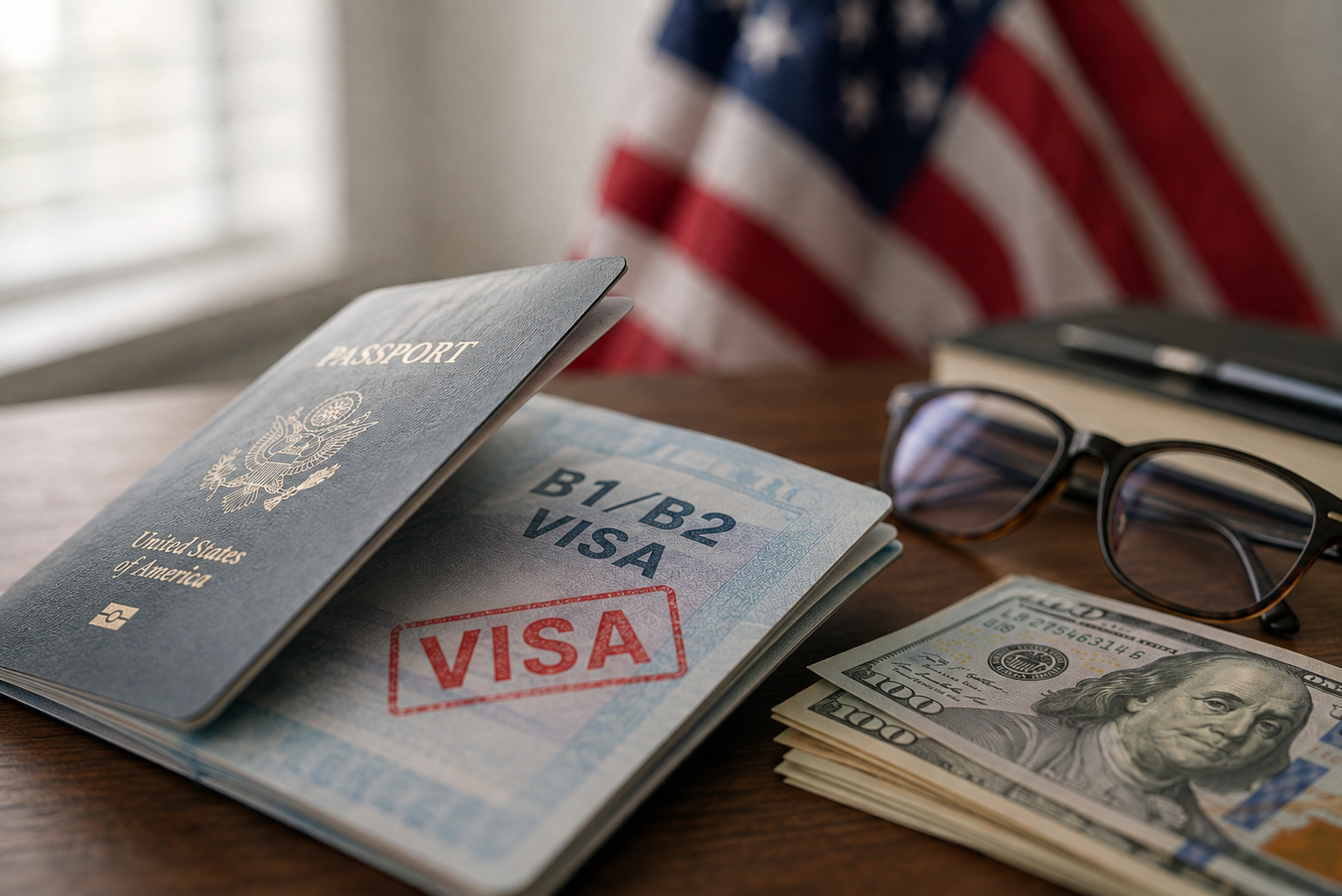
The State Department has announced the permanent implementation of a visa bond requirement for certain foreign citizens, which can cost up to $20,000. A notice published in the Federal Register on July 31 makes the regulation official, with the new policy set to take effect on August 3. The regulation applies to B1 and B2 visas, which are issued to tourists and business visitors.
The notice states that consular officers can require a bond of up to $20,000 before issuing a visa. That’s a notable jump from the pilot phase, which topped out at $15,000, with a lower $5,000 option also available for those deemed to be “low risk.” That lower bond option has since been eliminated, with all applicants now subject to higher costs.
Who Does it Affect
The regulation applies to citizens of 50 countries, most of which are African states. The list of eligible countries has since been expanded multiple times, with dozens of nations being added to it since the program’s inception in 2025. Furthermore, most of the nations on the list have been subject to partial travel bans at some point in recent years.
Why it’s Happening
The State Department positions the visa bond program as a means of encouraging compliance with visa regulations, as applicants are required to either leave the country of their own accord or reimburse the State Department for all costs incurred if they fail to do so. The regulation is also seen as a way to reduce the costs of removing an overstay from the US, which currently amount to around $18,000 per person.
The State Department has also cited figures from the pilot program, which have been included in the Federal Register notice, as proof of the regulation’s efficacy. According to the report, the number of overstays from countries subject to the visa bond program were, on average, lower than those from other countries during the pilot’s ten-month long duration.
The Other Side of the Story
While the State Department views the program as a way of deterring visa overstays, immigration lawyers and advocates have criticized it as an unfair measure that targets lower-income families, as well as students and business travelers who are unable to pay a five-figure bond. Furthermore, advocates argue that the program’s outcomes are largely explained by the fact that it only applies to citizens of developing countries.
What You Should Do
Visa applicants from the affected countries who wish to enter the US on a B1 or B2 visa should prepare for the possibility of being asked to pay a bond when applying for the visa after August 3, with those who are asked to pay a bond likely to be asked for a sum of up to $20,000. It is important to note that bonds are decided on a case-by-case basis, and there is no way of knowing whether an applicant will be asked to pay one. However, those who are asked to pay a bond should keep in mind that the consular officer reviewing the application is likely to take their travel plans into account, and that being able to demonstrate ties to one’s home country may be a way of persuading the officer to deny a bond request.
This story will be updated as more information regarding the list of affected countries and the bond refund process becomes available.

